
SECURELYTIX BLOG
Security Insights
Practical guides on AI security, data protection, encryption, compliance, and privacy-first infrastructure.
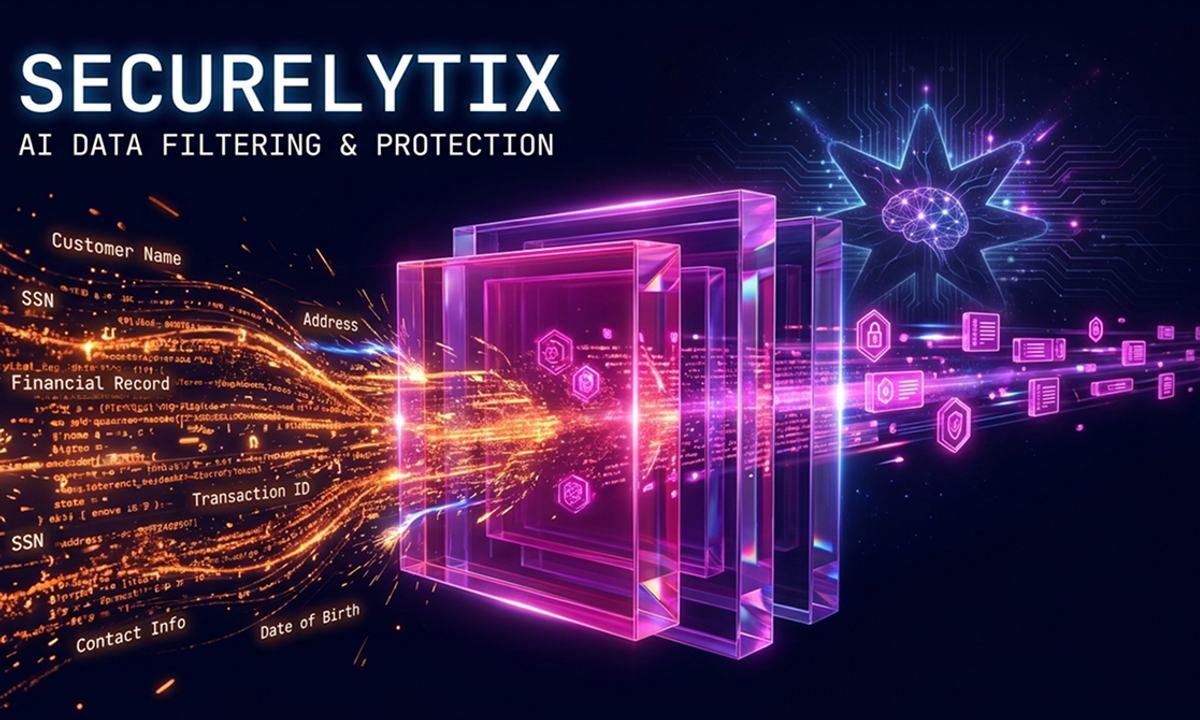
Protecting Sensitive Data Before It Reaches AI: Why Privacy Should Start Before the Prompt
As AI becomes a core part of modern applications, protecting sensitive data can't start after it's sent to an LLM it must begin before the prompt is created. This article explores why encryption alone isn't enough, how privacy-first AI architecture minimizes unnecessary data exposure, and how techniques like tokenization help organizations securely adopt AI while maintaining compliance and control over sensitive information.

Inside a Modern Token Vault: How Sensitive Data Stays Protected
As modern applications move sensitive data across APIs, microservices, third-party platforms, and AI systems, traditional security controls are no longer enough. A modern token vault protects sensitive information by replacing raw data with secure tokens while keeping original values protected inside an isolated environment. This article explores how token vault architecture works, from sensitive data detection and token generation to secure storage, controlled detokenization, and privacy-focused analytics.
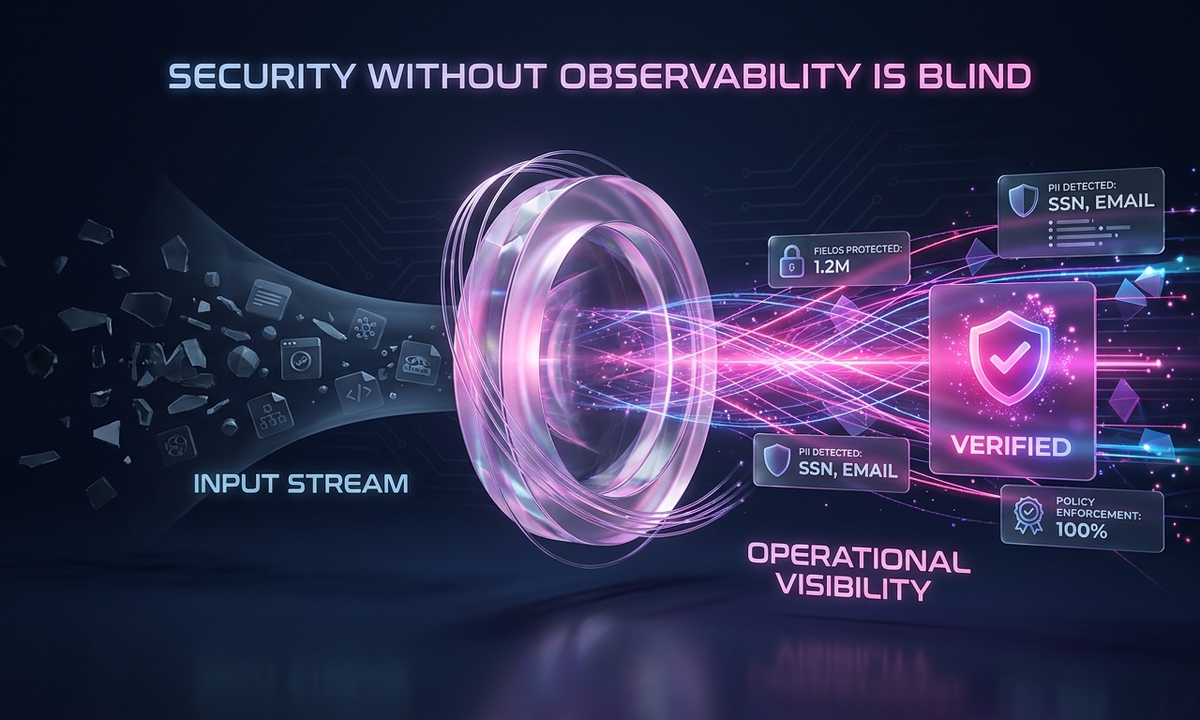
You Can't Secure What You Can't Measure: Why Modern Data Protection Needs Observability
This article explores why protecting sensitive data isn't enough if you can't verify that protection is working. As modern applications span APIs, microservices, AI agents, and third-party services, organizations need observability to measure data protection in real time. Learn which security metrics matter, how observability reduces blind spots, and why continuous validation is becoming a core pillar of modern data security.

Stop Treating Vector Databases Like Databases: They Were Never Built to Store Sensitive Data
Vector databases have become the backbone of enterprise AI, but they were never designed to store sensitive data. As RAG applications and AI agents grow, protecting prompts alone isn't enough. This article explores why privacy must begin before embeddings are created and how organizations can build secure, privacy-first AI architectures without sacrificing AI performance.

The Hidden Journey of Sensitive Data Inside AI Applications (And Why Most Teams Don't See It)
AI has transformed how sensitive data flows through modern applications. Instead of moving only between users and databases, information now travels through prompts, LLMs, vector databases, agent memory, logs, and third-party services. This article explores why traditional security controls are no longer enough and how organizations can build privacy directly into AI workflows to minimize unnecessary data exposure.
Why AI Agents Need Runtime Security, Not Just Access Controls
AI agents don't just access data they reason, make decisions, call APIs, and move information across systems. While traditional access controls determine what an agent can access, they don't govern what happens after authorization. This article explores why runtime security is becoming a critical layer for securing autonomous AI systems through continuous visibility, real-time policy enforcement, and data-centric protection.

how to add security in PII data
Read the full post.
How Agentic AI Can Accidentally Leak PII Across Modern Backend Pipelines
Read the full post.

Why Masking PII at the Frontend Is Not Enough: The Backend Exposure Problem
Read the full post.

Why Cybersecurity Is Now a Business Priority, Not Just an IT Problem
Read the full post.
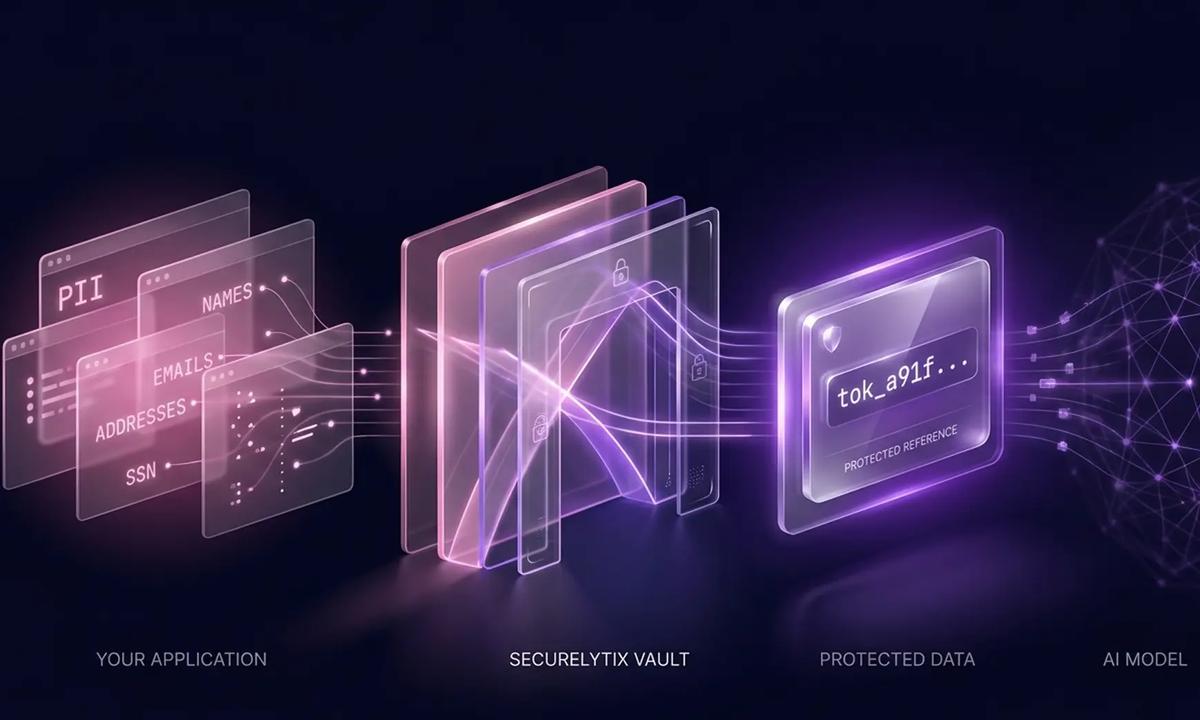
How Data Breaches Actually Happen
Read the full post.

The Definitive Guide to PII Protection: Strategies for Security, Compliance, and Trust
Read the full post.
AI vs. AI: How Artificial Intelligence Is Reshaping the Data Security Battlefield in 2026
Data Security, Cybersecurity Trends
The Privacy and Compliance Reckoning: Why Data Governance Is the New Competitive Battleground in 2026
Data Privacy, Compliance, Supply Chain Security
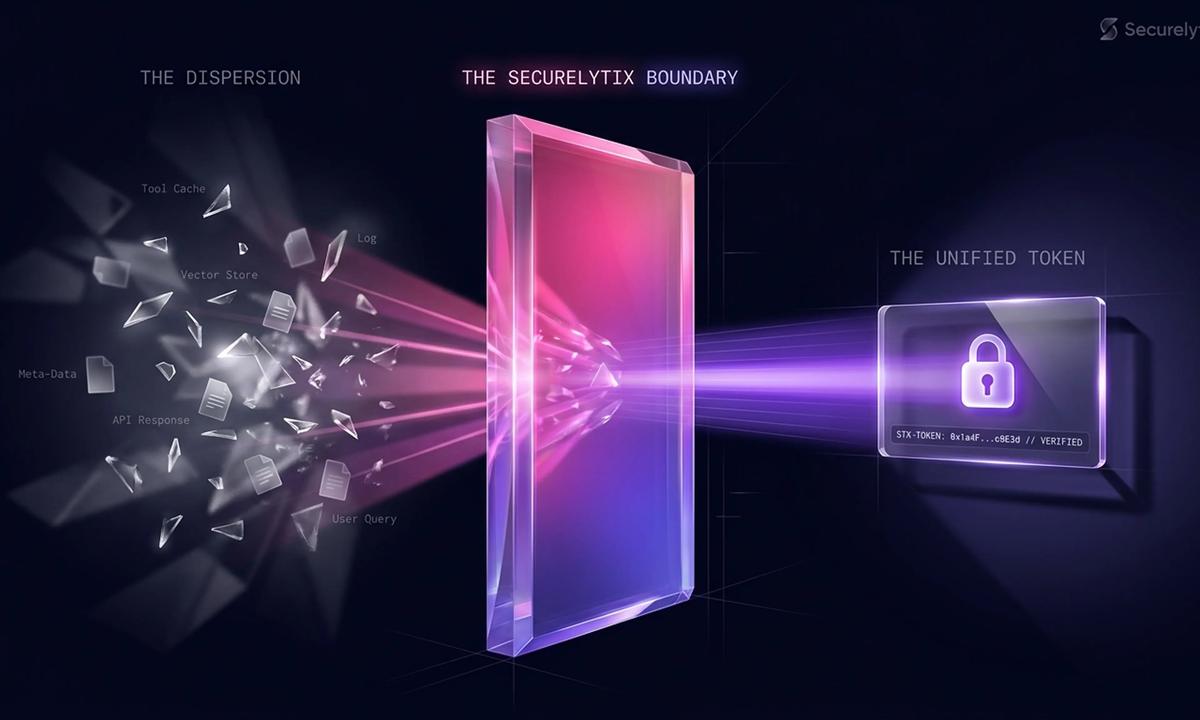
Raw PII: The Most Dangerous Technical Debt in Modern Systems
Read the full post.

Why the Frontend Is One of the Most Dangerous Places for PII And How to Fix It Architecturally
Modern frontend applications handle sensitive user data across APIs, browser storage, analytics tools, and third-party scripts making the browser one of the largest yet least protected PII exposure surfaces. This article explores why frontend architectures leak sensitive data and how privacy-first design patterns like tokenization and secure data flow isolation help reduce risk.
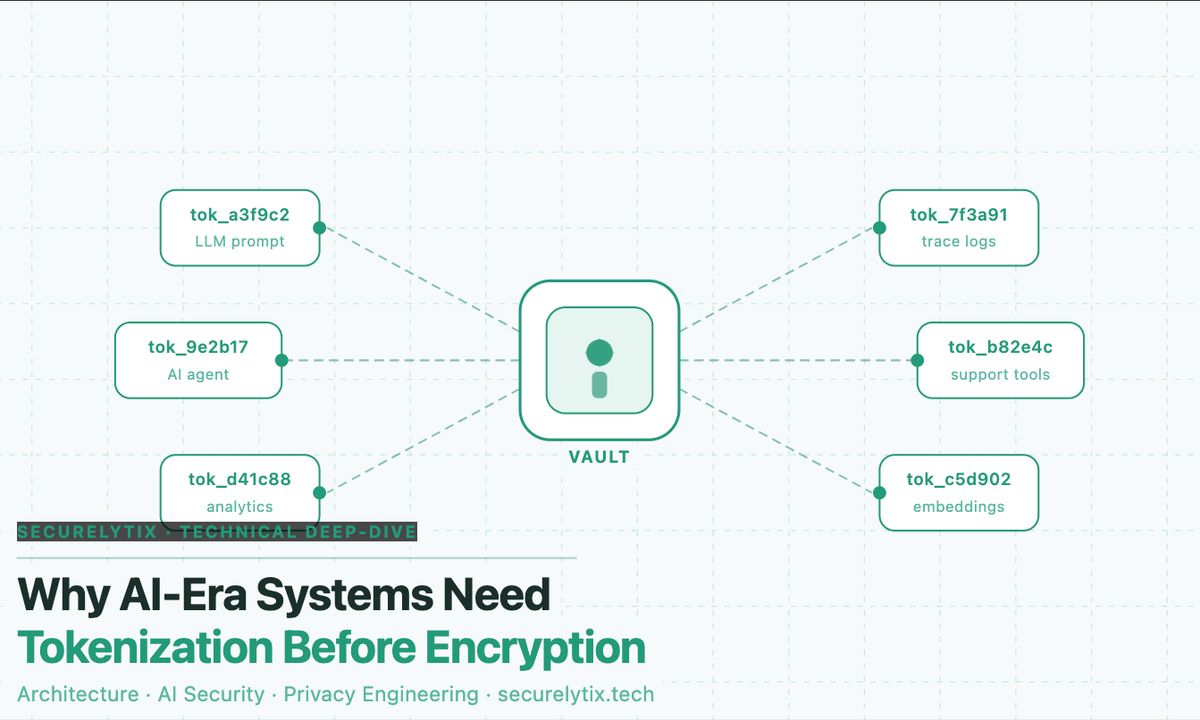
Why AI-Era Systems Need Tokenization Before Encryption
By Securelytix Engineering | Technical Deep-Dive | Architecture · AI Security · Privacy Engineering
Tokenization vs. Encryption: Choosing the Right Data Protection Approach
Tokenization and encryption are both essential methods for protecting sensitive data and supporting regulatory compliance. While they appear in almost every major security framework, they work in fundamentally different ways. Selecting the wrong approach can lead to unnecessary architectural complexity or missed opportunities for compliance scope reduction.The choice between them depends on where your sensitive data resides, how it is accessed by identities (both human and non-human), and which specific risks you need to reduce to improve your data security posture.
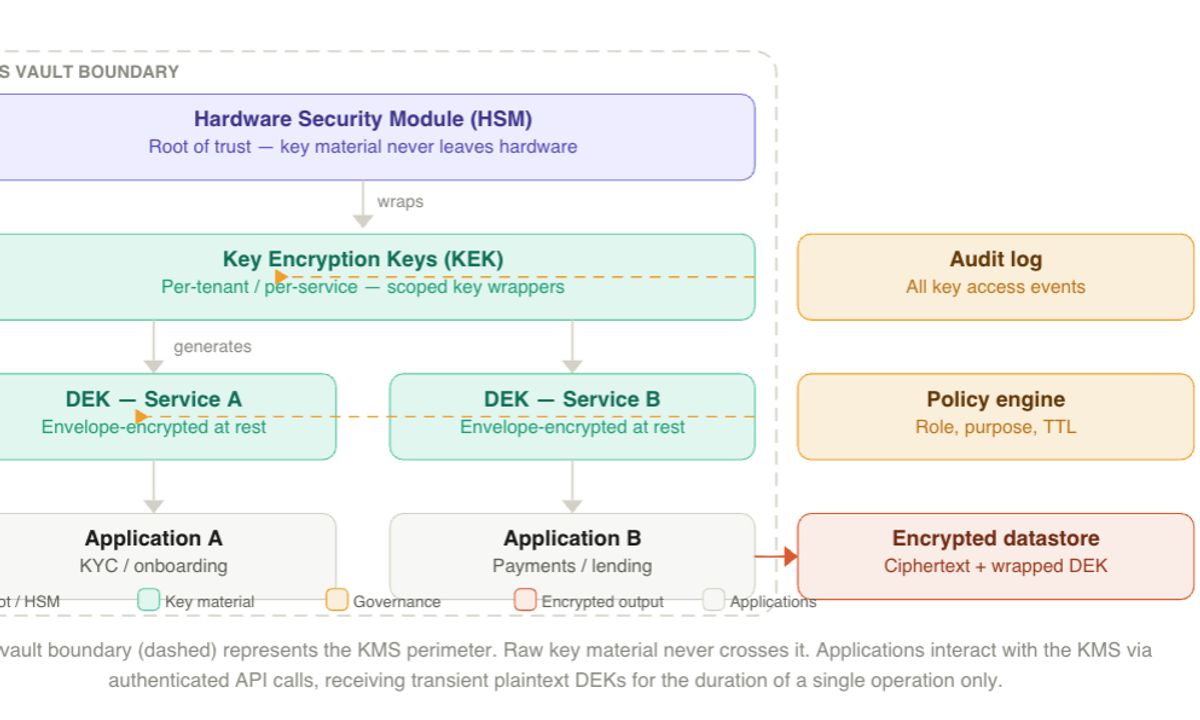
The Key to Everything: Why a Key Management System Is the Real Foundation of Your Encryption Strategy
Most enterprises encrypt their data. Almost none of them manage their encryption keys correctly. That gap is where breaches happen, and where a properly architected KMS closes them.