
Securelytix Vaultkey · Enterprise AI Data Protection
PII Vault for Securebefore it leaves your application.
Securelytix Vaultkey helps applications protect personally identifiable information (PII) through data tokenization and secure vaulting. Keep original sensitive data in a controlled vault and use tokenized values across supported AI and non-AI workflows.
The PII vault
AES-256 HSM Secured
Tokenized values in use
{
  "name": "Mqrvte Lio_stx",
  "email": "qmvbtl@xkpwqhd.in_stx",
  "phone": "+91 47218 90563_stx",
  "id_no": "WXYZ-5678-IJKL_stx",
}
Downstream LLM models & third-party APIs process tokens without exposing raw data.
Definition
What Is aPII Vault?
A PII vault is a secure system that stores and protects personally identifiable information, such as names, email addresses, phone numbers, and identification details.
Instead of sharing original personal data across every application or service, organisations can use tokenization to replace sensitive values with tokens and keep the original data in a designated vault.
This helps reduce unnecessary exposure of sensitive information across modern application workflows.
Original PII → token
 ada@company.comkda@xqmwpnz.com_stx
- +91 98765 43210+91 47218 90563_stx
- ABCD-1234-EFGHWXYZ-5678-IJKL_stx
- Ada LovelaceMqrvte Lio_stx
Original values stay in the designated vault layer. Applications work with tokens only.
Why applications need a PII vault
Your sensitive data movesbeyond your database.
Personal data can travel through APIs, AI models, agent tools, logs, analytics systems, and third-party services. Each additional system that processes original PII creates another place where data access and protection need to be considered.
- 01Reduce unnecessary sharingLimit how often original sensitive data is copied across systems.
- 02Use tokenized valuesSupported workflows run on tokens instead of raw personal data.
- 03Centralize original PIIHandle original data in one designated, controlled location.
- 04Controlled data accessBuild clearer, more auditable data access processes.
“Protecting personal data starts with understanding where it enters your application and where it goes next.”
How Securelytix Vaultkey works
Protect PII with tokenizationand secure vaulting.
Vaultkey helps applications separate original sensitive data from the systems that process it.
Step 01
Application receives PII
Example: email or phone number submitted through your app.
Step 02
Vaultkey tokenizes the data
Original value is exchanged for a secure token.
Step 03
Original value is stored in the vault
Kept in the designated vault layer, separate from workflows.
Step 04
Token is used in supported workflows
AI applications, APIs, and other downstream services.
Step 05
Authorized data recovery
Original value is recovered when required.
Vaultkey enables applications to use tokenized data where appropriate and recover original values through supported authorization and detokenization workflows.
Key capabilities
Your sensitive data movespersonal data.
PII Tokenization
Replace sensitive values with tokens for supported application workflows.

Controlled Detokenization
Support authorized recovery of original values when needed.

Developer-Friendly APIs
Integrate tokenization and detokenization into application workflows using supported APIs.
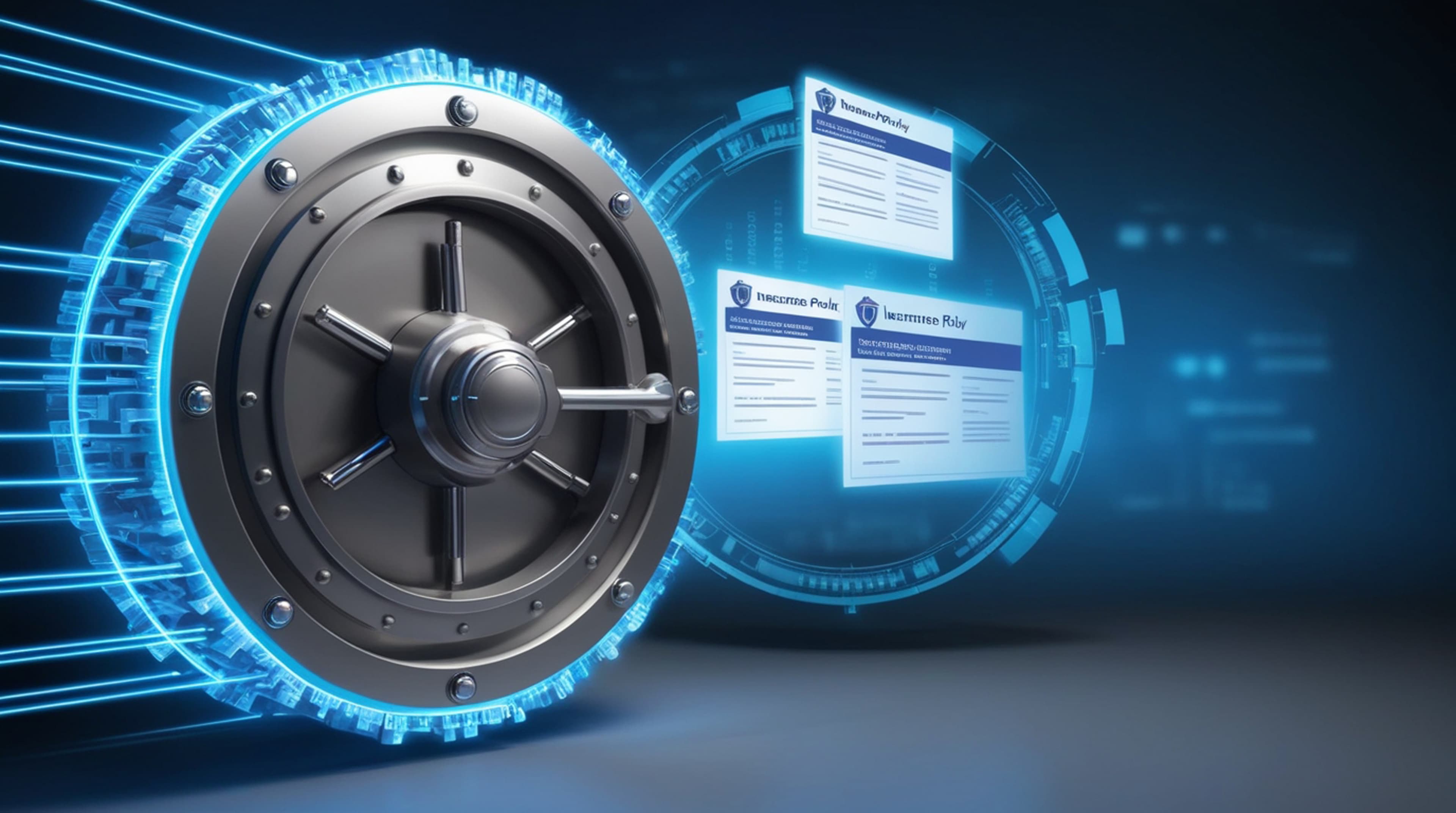

Secure Data Vault
Keep original sensitive data in a designated vault layer.
Use cases
Where can you usea PII vault?

AI Applications
Protect sensitive information in supported AI workflows by tokenizing PII before it is passed to downstream AI systems.
APIs and Agent Tools
Reduce the need to share original PII across supported APIs, microservices, and agent tool workflows.

Logs and Analytics
Use tokenized data in supported logging and analytics flows to help reduce unnecessary exposure of original personal data.

RAG and Data Workflows
Take entire systems out of GDPR, HIPAA, and PCI-DSS scope by keeping raw data out of them.
PII vault vs encryption and masking
How is a PII vaultdifferent?
A PII vault, tokenization, encryption, and masking address different parts of data protection.
- PII vaultStores and manages original sensitive data
- TokenizationReplaces sensitive data with a token
- EncryptionConverts data into ciphertext
- MaskingHides part or all of a value
Vaultkey combines tokenization and vaulting to help applications separate original PII from supported downstream workflows. Tokenization does not replace every other security control.
Learn more about Tokenization vs Encryption →Developer integration
Integrate PIIprotectionwith your application.
Vaultkey provides supported APIs for integrating tokenization and detokenization into application workflows.
- 1Identify sensitive data.
- 2Send the data to the tokenization API.
- 3Use the token in supported workflows.
- 4Recover the original value when authorized.
Explore Vaultkey API Documentationimport { Vaultkey } from "@securelytix/sdk"const vaultkey = new Vaultkey({projectId: "prod_us_east",})// 1. Send sensitive data to the tokenization APIconst result = await vaultkey.tokenize({email: customer.email,phone: customer.phone,})// 2. Use the token downstream in AI modelsawait ai.chat.completions.create({messages: [{ role: "user", content: result.email }],})// 3. Recover the original value when authorizedconst original = await vaultkey.detokenize(result.email,{ actor: "support_agent_tier2" });
Security and data protection
Build more controlleddata workflows.
A PII vault is one part of a broader data protection architecture. Vaultkey can support a more controlled approach to sensitive data handling through tokenization and vaulting, while organisations must still configure and manage appropriate access control, retention, logging, and recovery practices.
Protect original data
Keep originals inside a designated vault.

Limit unnecessary exposure
Reduce where sensitive values appear.

Review access and recovery
Check detokenization permissions regularly.

Manage retention
Configure data retention to your requirements.
DPDP note
Using Vaultkey alone does not make an organisation DPDP compliant. Compliance depends on the organisation's own obligations, processes, and safeguards.
FAQ
Frequently askedquestions.
Protect Sensitive DataBefore It Spreads.
Keep original PII in a controlled vault and run your AI, API, and data workflows on secure tokens.