
What Is a Data Privacy Vault?
A data privacy vault helps businesses protect sensitive information through tokenization, data masking, secure storage, and controlled access. Learn how it works, its key benefits, and how it supports safer AI and application workflows.
By Securelytix

Introduction
Every application collects and processes data. This could include names, email addresses, phone numbers, payment details, health records, or other personal information.
But what happens when this sensitive data needs to be shared with third-party services, APIs, analytics tools, or AI models?
Storing sensitive information in databases is one challenge. Protecting it while it moves between different systems is another.
This is where a Data Privacy Vault comes in.
A data privacy vault is a secure system that stores sensitive information separately from the applications that use it. Instead of exposing original personal data to every system, it helps businesses protect that information through techniques such as tokenization, masking, and controlled access.
In simple terms, a data privacy vault helps businesses decide who can access sensitive data, when they can access it, and how much information they actually need.
How Does a Data Privacy Vault Work?
A data privacy vault works by separating sensitive information from the systems that process it.
When an application receives personal information, the data privacy vault can identify sensitive fields and replace them with tokens. These tokens act as substitutes for the original values.
For example:
- Original data: yash@gmail.com
- Tokenized data: tok_8f72x91
The original email address is stored securely inside the vault, while the application or external system works with the token.
When the original information is required, an authorized system can request detokenization. The vault checks the access permissions and applicable policies before returning the original value.
This means sensitive information does not need to travel through every system involved in an application workflow.
Key Features of a Data Privacy Vault
A data privacy vault uses different security mechanisms to protect sensitive information. Some of its key features include:
1. Data Tokenization
Tokenization replaces sensitive information with randomly generated tokens. The original data stays protected inside the vault, while other systems use the tokens instead of actual personal information.
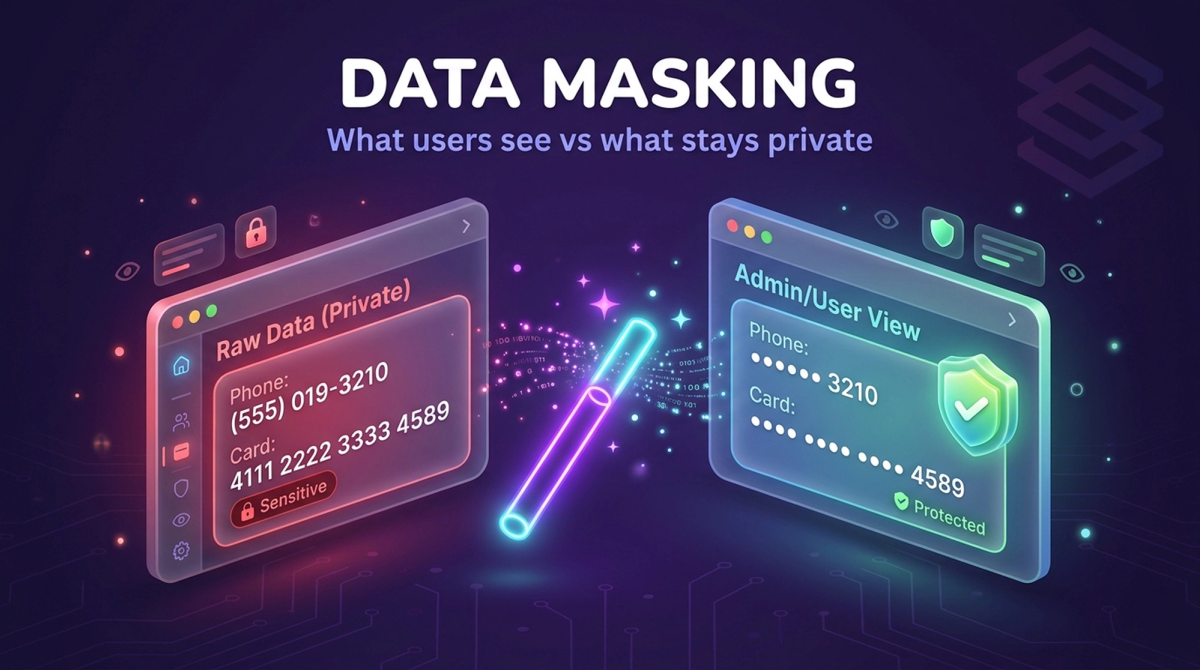
2. Data Masking
Data masking hides sensitive parts of information. For example, a phone number like 9876543210 can appear as XXXXXX3210, allowing users to see limited information without exposing the complete number.
3. Secure Data Storage
A data privacy vault stores original sensitive information separately from regular application databases. This adds another layer of protection and reduces unnecessary exposure.
4. Access Control
Not every user or application should have access to original personal data. A vault uses permissions and security policies to control who can access or restore sensitive information.
5. Audit Logs
Audit logs maintain records of activities such as tokenization, detokenization, and access requests. This helps businesses monitor how sensitive information is being used.
Why Do Businesses Need a Data Privacy Vault?
Modern applications rarely work independently. They communicate with payment gateways, cloud services, third-party APIs, analytics platforms, and AI models.
During these interactions, sensitive information can move across multiple systems. Every additional system creates another point where personal data could be exposed.
A data privacy vault helps businesses reduce this exposure by keeping original sensitive information in a controlled environment.
Here are some important benefits:
- Reduced data exposure: Sensitive information does not need to be shared with every connected system.
- Better access management: Businesses can control who can view or restore original information.
- Improved data security: Tokenization and masking reduce the amount of sensitive data exposed during processing.
- Support for compliance efforts: Helps organizations implement data protection practices required by regulations such as India's Digital Personal Data Protection (DPDP) Act, 2023.
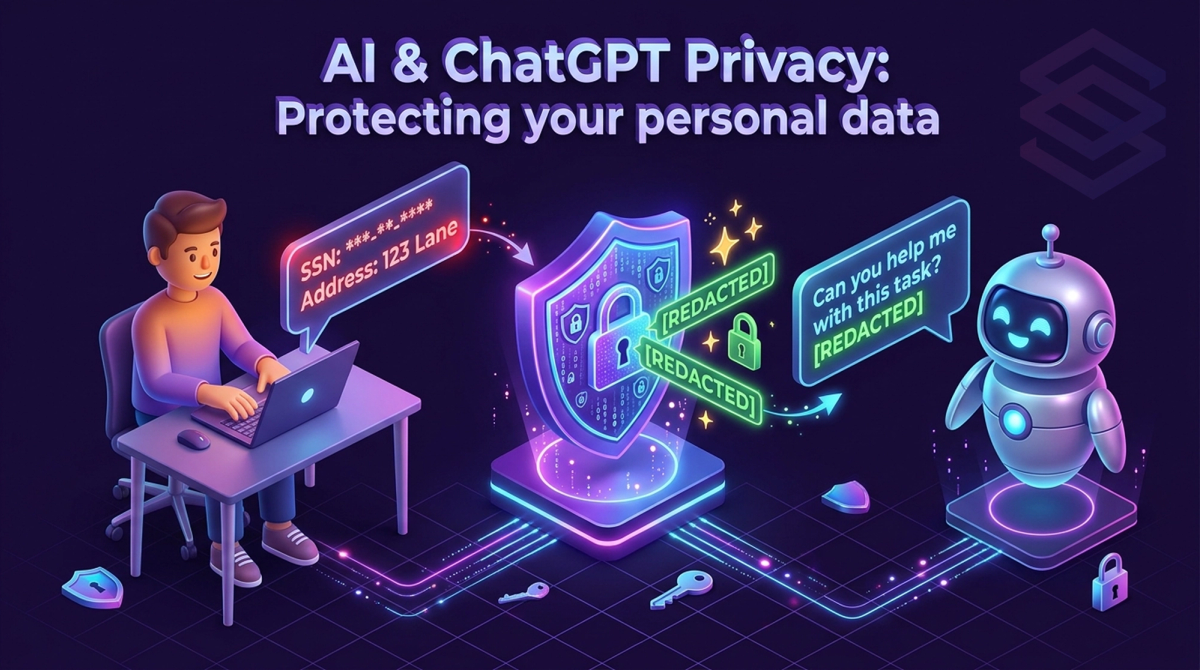
- Safer AI workflows: Applications can send tokenized information to AI models instead of exposing actual personal information unnecessarily.
A data privacy vault does not automatically make an organization compliant with privacy laws, but it can support the technical measures needed for better data protection.
Data Privacy Vault vs Traditional Encryption
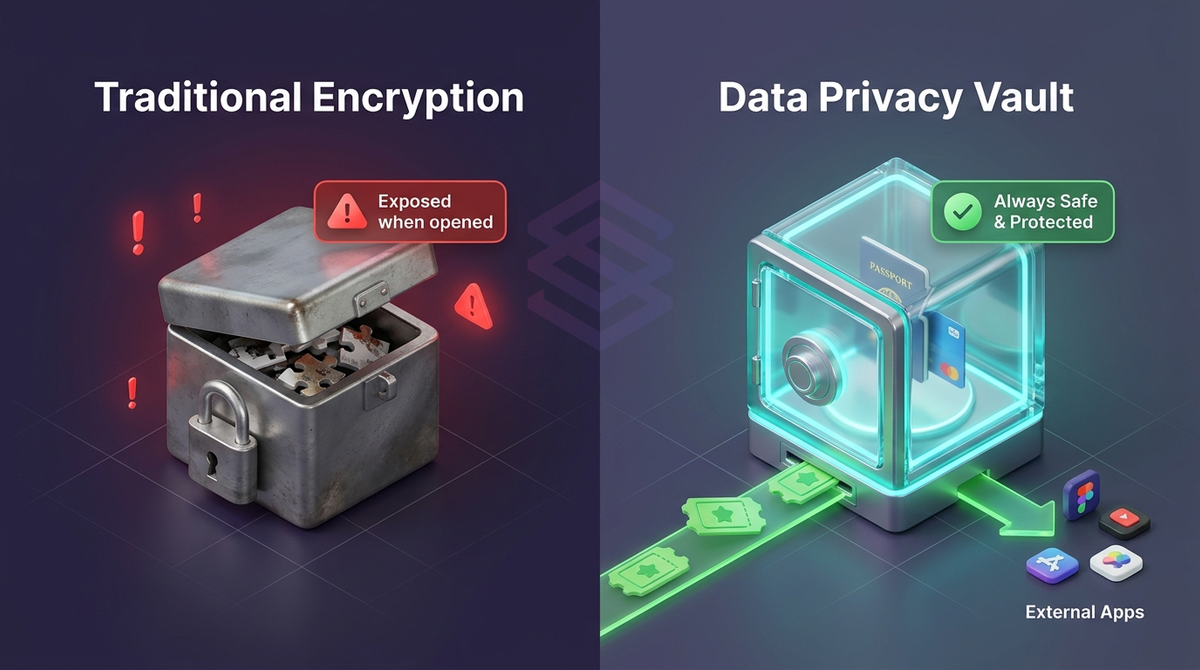
Both encryption and data privacy vaults help protect sensitive information, but they work differently.
Encryption converts readable data into an unreadable format using cryptographic keys. The original information can be recovered by decrypting it with the appropriate key.
A data privacy vault, on the other hand, can replace sensitive information with tokens and store the original values separately. Applications can work with these tokens without needing access to the actual data.
For example, encryption protects an email address by converting it into ciphertext, while tokenization replaces it with a reference token that maps to the original email stored in the vault.
The two approaches are not competitors. They can work together to provide stronger data protection.
Where Are Data Privacy Vaults Used?
Data privacy vaults are useful wherever applications collect, process, or share sensitive information.
Some common use cases include:
- Banking and FinTech: Protecting customer details, account information, and payment data.
- Healthcare: Securing patient information and medical records.
- E-commerce: Protecting customer contact details and payment-related information.
- AI Applications: Preventing unnecessary exposure of personal information when sending data to LLMs and AI agents.
- SaaS Platforms: Protecting user information shared across databases, APIs, analytics tools, and third-party services.
As businesses adopt more connected applications and AI-powered workflows, protecting data throughout its journey becomes increasingly important.
How Securelytix Vaultkey Helps Protect Sensitive Data
Securelytix Vaultkey provides a data privacy layer between applications and the systems they interact with.
It helps businesses identify sensitive information, tokenize it, and securely store the original values. Applications can then send tokens to APIs, AI models, agents, and other third-party services instead of exposing raw personal information.
When original data is required, Vaultkey supports controlled detokenization based on authorization and security policies.
This approach helps businesses protect sensitive information across both AI and traditional application workflows.
Conclusion
Data privacy is no longer just about protecting information stored in databases. It is also about controlling how that information moves between applications, APIs, AI models, and external services.
A data privacy vault helps businesses achieve this by separating sensitive information, replacing original values with tokens, and controlling access when the original data is needed.
As data flows become more complex, having a dedicated layer for sensitive data protection can help businesses build more secure applications and responsible AI workflows.
FAQ
Want to tokenize sensitive data before it reaches your AI stack?
Talk to Securelytix →